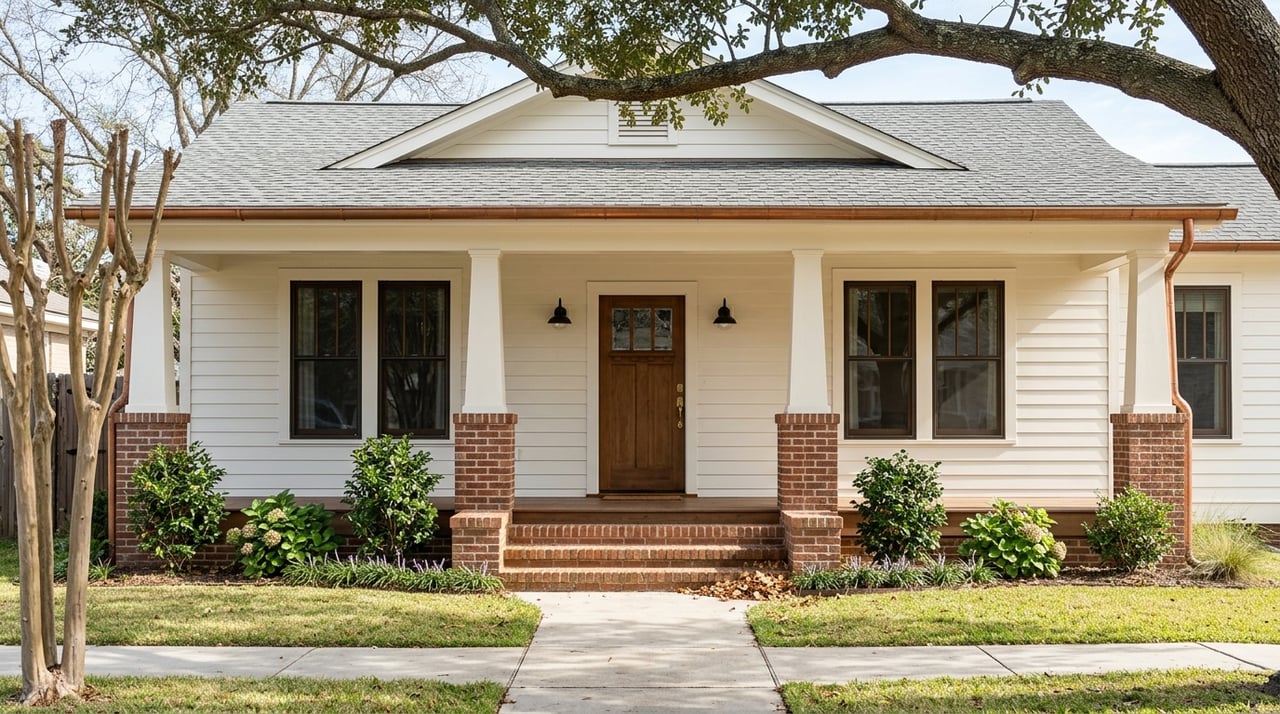
If you have ever fallen for a front porch, original wood windows, or the charm of a century-old floor plan, you already know historic homes can feel different in the best way. In Columbia, that character often comes with extra rules, maintenance needs, and planning steps that buyers should understand before they make an offer. The good news is that when you know what to look for, you can buy with more confidence and fewer surprises. Let’s dive in.
What makes a home historic in Columbia?
In Columbia, “historic” does not mean just “old.” A home may be considered historic because it sits inside one of the city’s 15 historic district zoning overlays, because it is an individually designated landmark, or because it is listed in a National Register district.
Those categories are connected, but they are not the same. That matters because two homes built around the same time may come with very different renovation rules depending on the property’s designation and overlay.
Why overlay type matters
Columbia uses the OV-HP overlay system, and the type of overlay can shape what you can change on the property. Architectural conservation districts are generally stricter and often review exterior features like windows, siding, porch details, and other character-defining elements.
Protection areas usually focus more on additions, new construction, demolition, and certain site improvements. Community character overlays are separate and do not regulate renovations on existing lots. National Register listing by itself does not impose restrictions on a private owner’s use of the property.
Where buyers find historic homes in Columbia
Many of Columbia’s historic homes are found in early suburbs and former mill-village neighborhoods. The city identifies areas such as Cottontown/Bellevue, Elmwood Park, Melrose Heights/Oak Lawn, Wales Garden, the University neighborhood, Granby, Whaley, and the Landmark District as places where buyers often see older housing stock.
These areas reflect different development periods and housing types. Some date to the late 19th century, while others grew mainly in the 1910s, 1920s, and 1930s, with certain neighborhoods including some postwar construction as well.
Common styles and features in Columbia homes
Columbia’s historic housing stock includes a wide mix of architectural styles. The city notes examples such as Queen Anne, Four-Square, Colonial Revival, Craftsman, Tudor Revival, Neoclassical, Italianate, and even mid-century steel-window architecture.
As you tour homes, you may notice features like covered porches, gabled or shed dormers, stained glass, arched windows, oriel windows, and 6/6 wood sash windows. Craftsman homes in particular often show exposed rafter tails, heavy brackets, and a mix of materials like wood, brick, stone, and stucco.
What buying a historic home really means
Historic homes can offer style and details that are hard to find in newer construction. At the same time, they usually require a more active maintenance mindset.
Preservation guidance emphasizes ongoing maintenance and repair over large-scale replacement. That means regular inspections, seasonal upkeep, and keeping good records can play a big role in protecting the home’s condition over time.
Plan for maintenance, not just updates
If you are budgeting for a historic home, it helps to think beyond cosmetic improvements. Older homes often need steady attention to roofs, paint, masonry, windows, and exterior materials.
Columbia’s preservation resources also point owners toward maintenance plans, inspection checklists, seasonal upkeep guidance, energy-efficiency information, and window-specific resources. In many cases, historic windows are worth evaluating for repair before assuming they should be replaced.
Renovations may need review first
One of the biggest surprises for buyers is that exterior updates may require design review. In Columbia, preservation staff review projects first and determine whether the work can be approved at the staff level or must go before the Design/Development Review Commission.
The specific rules depend on the district guidelines. In architectural conservation districts, exterior changes are reviewed more broadly than in protection areas, and modern materials may be considered only when they closely match the original appearance.
Updates that may need extra planning
If you are thinking about improving a historic home, these are the kinds of projects that may require more review depending on the district:
- Window changes
- Siding updates
- Porch repairs or alterations
- Additions
- Fences
- Driveways
- Demolition or rebuild plans
That does not mean improvements are impossible. It means the approval process should be part of your timeline from the start.
Health and safety items to check
Older homes also come with a few standard due-diligence items that buyers should treat seriously. If the home was built before 1978, lead-based paint should be part of your inspection and renovation planning.
Federal real estate rules require lead disclosure information for most pre-1978 housing, and buyers generally have a 10-day opportunity to conduct a lead inspection or risk assessment. If future work will disturb painted surfaces, lead-safe renovation practices are important.
What about asbestos?
For asbestos, the key issue is disturbance. If you suspect certain materials may contain asbestos and they are damaged, or if a renovation will affect them, testing by a trained professional is the safest next step.
Material that may contain asbestos cannot be reliably identified by sight alone. If you are planning updates, it is smart to ask these questions before closing or before construction begins.
Insurance can work differently for older homes
Insurance for a historic home is not just about the purchase price. In South Carolina, companies may consider the home’s condition and upkeep, age and value, credit history, claims history, and the amount of coverage when pricing a homeowners policy.
It is also important to compare identical coverage types and deductibles when reviewing quotes. For many older homes, replacement cost is a more useful benchmark than actual cash value because it focuses on the cost to repair or replace with like kind and quality.
Don’t forget flood coverage
Standard homeowners insurance does not cover flood. Depending on the property, a separate flood policy may be necessary.
That is why it helps to ask about flood coverage early, rather than assuming it is included in a standard policy. It is a simple question that can save you from a major budgeting surprise later.
Historic incentives may help the numbers
Columbia buyers should also know that some historic homes may qualify for incentive programs. The city’s Bailey Bill may hold a property’s assessed value at the same amount for 20 years after a qualifying investment equal to 20% of the property’s assessed value.
The city states that projects must be reviewed by preservation staff and the Design/Development Review Commission before work starts. Richland County offers a similar program, which makes early planning especially important if you are counting on that benefit.
State and federal credits
South Carolina also offers historic tax incentives in certain cases. According to the South Carolina Department of Revenue, a certified historic residential structure can qualify for a 25% state credit, while a certified historic structure that is income-producing can qualify for a 10% state credit.
There is also a 20% federal historic rehabilitation credit, but it generally applies only to income-producing historic buildings. In all cases, buyers should confirm eligibility and review requirements before building a renovation budget around expected savings.
Historic homes and market performance
Historic preservation has a visible footprint in Columbia’s housing market. A city and Historic Columbia study reports that local historic districts and protection areas cover only 3.6% of Columbia’s land area.
The same study says homes in Columbia’s local historic districts consistently outperformed the rest of the Columbia market when considering value change over time. While every property is different, that data shows historic areas are an important part of the local market conversation.
A smart buyer checklist for Columbia historic homes
Before you move forward on a historic home, make sure you have answers to these questions:
- Is the property in an OV-HP overlay, a local landmark designation, or only a National Register district?
- What district guidelines apply to this address?
- Are there prior Certificates of Design Approval or permit records for past work?
- What regular exterior maintenance should you budget for right away?
- If the home predates 1978, have you reviewed lead disclosure information?
- Will any planned renovation require lead-safe contractors or asbestos testing?
- Have you requested replacement-cost insurance quotes?
- Do you need separate flood coverage?
- Could the property qualify for the Bailey Bill or other historic tax incentives?
Why local guidance matters
Historic homes are rarely one-size-fits-all purchases. Two homes with similar age, style, and price can carry very different rules, upkeep expectations, and renovation timelines depending on where they sit and how they are designated.
That is why local, neighborhood-level guidance matters so much in Columbia. When you understand the district, the review process, and the true cost of ownership, you can enjoy the character of a historic home without walking into avoidable surprises.
If you are thinking about buying a historic home in Columbia, the right guidance can help you evaluate charm, costs, restrictions, and long-term value with confidence. The team at Smith Real Estate Group is here to help you navigate Columbia’s neighborhoods and find the right fit for your goals.
FAQs
What makes a home historic in Columbia, SC?
- In Columbia, a home may be historic because it is in a local historic district overlay, is an individually designated landmark, or is located in a National Register district. These categories are not identical, and each can affect a buyer differently.
What is the difference between Columbia architectural conservation districts and protection areas?
- Architectural conservation districts generally review more exterior changes, such as windows, siding, and porch details. Protection areas usually focus more on additions, demolition, new construction, and certain site improvements.
Do National Register properties in Columbia have renovation restrictions for private owners?
- National Register listing by itself does not place restrictions on a private owner’s use of the property.
What should buyers inspect before purchasing a pre-1978 historic home in Columbia?
- Buyers should review lead disclosure information and consider a lead inspection or risk assessment during the typical 10-day opportunity. If renovation may disturb older materials, lead-safe planning and possible asbestos testing are also important.
How do insurance needs differ for historic homes in Columbia, SC?
- Insurance companies may look closely at the home’s age, condition, upkeep, claims history, credit history, and coverage amount. Buyers should compare matching quotes and ask about replacement-cost coverage and whether flood insurance must be purchased separately.
Are there tax incentives for historic homes in Columbia and Richland County?
- Some properties may qualify for the Bailey Bill, similar Richland County treatment, or South Carolina historic tax credits, depending on the structure and planned work. Buyers should confirm eligibility and approval steps before relying on those savings.
Which Columbia neighborhoods commonly have historic homes?
- Buyers often encounter historic homes in areas such as Cottontown/Bellevue, Elmwood Park, Melrose Heights/Oak Lawn, Wales Garden, the University neighborhood, Granby, Whaley, and the Landmark District.