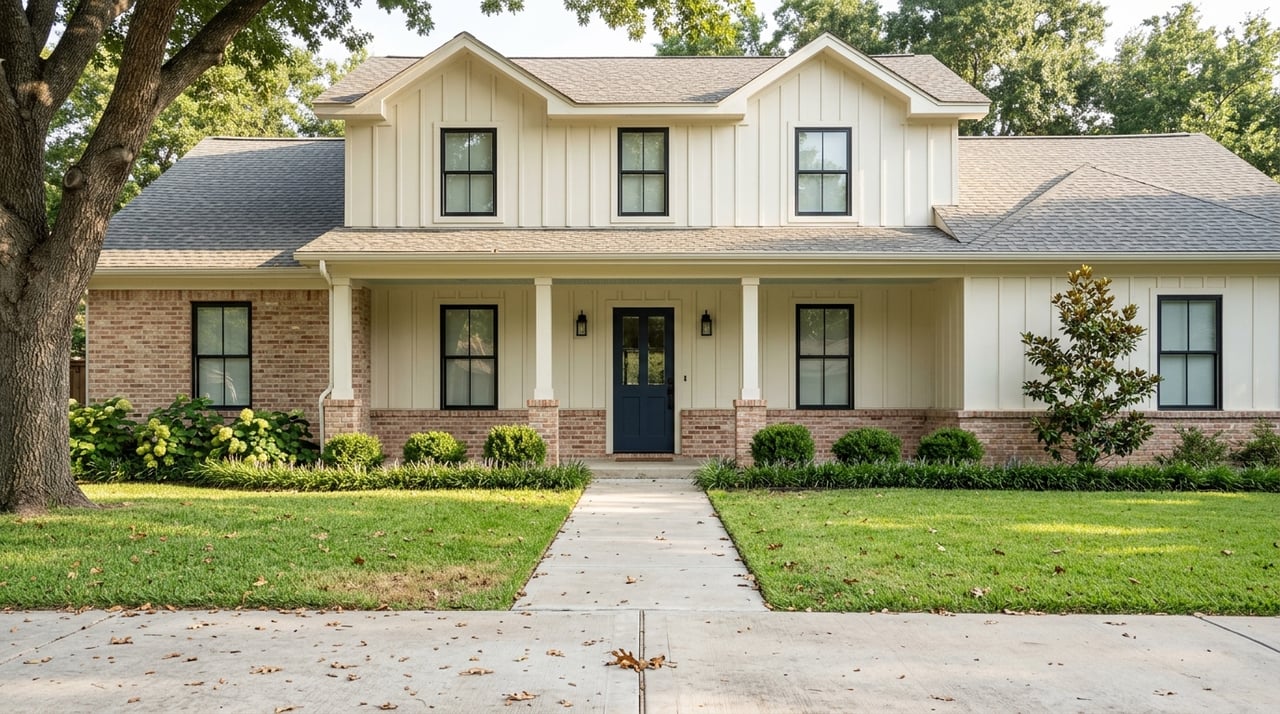
Wondering how to narrow down Lexington when one part of town feels like a classic subdivision, another feels carefully planned, and another opens up to Lake Murray living? If you are buying in Lexington, it helps to know that neighborhood style here is shaped by more than price or square footage. This guide will help you understand the main neighborhood patterns in Lexington, what makes each one distinct, and which questions to ask before you move forward. Let’s dive in.
Lexington's Neighborhood Types
Lexington is an incorporated town in central South Carolina, and the town describes itself as a small-town community with a historic core, natural assets, and continued growth. According to the town, Lexington had a 2020 Census population of 23,568, and local planning documents show that growth is being shaped carefully over time.
That matters when you start comparing neighborhoods. In Lexington, the feel of a home can depend on whether it sits in an established subdivision, a newer planned community, a more rural-feeling edge area, or a lake-oriented pocket near Lake Murray.
Established Suburban Neighborhoods
If you picture Lexington as tree-lined streets, single-family homes, and settled neighborhoods with a familiar suburban layout, you are likely thinking of an established subdivision. These communities often appeal to buyers who want a straightforward neighborhood setup with nearby parks, shopping, and access to town amenities.
Whiteford Lakes offers a useful example of this type of neighborhood. Its HOA says the community was developed in the 1990s and includes 144 homes, with features that often include 3- to 4-bedroom layouts, formal living and dining rooms, decks, fenced yards, lofts, and high ceilings.
For many buyers, that profile feels comfortable and easy to understand. You may find homes with more traditional floor plans, mature landscaping, and a neighborhood rhythm that feels more settled than brand new construction.
What to Expect in Older Subdivisions
Older subdivisions can offer consistency, but they also require a little homework. Lexington County says covenants and restrictions are private, not county-required, and are usually recorded separately by the developer.
That means one neighborhood may have an HOA with clear architectural rules and shared maintenance expectations, while another may operate very differently. Before you buy, it is smart to review the specific neighborhood documents instead of assuming every subdivision works the same way.
Nearby Town Amenities
One reason buyers like close-in Lexington neighborhoods is access to parks, trails, and downtown spaces. The Town of Lexington lists Old Mill Pond Trail, Gibson Pond Park, Fourteen Mile Creek Trail, Lexington Square, and Virginia Hylton Park among its public amenities.
The town’s Vision Plan also treats Main Street and downtown as the center of town life. If you want a neighborhood that connects easily to local events, parks, and daily conveniences, established in-town areas may deserve a close look.
Newer Master-Planned Communities
Some Lexington buyers want more than a subdivision layout. They want a community with a more intentional design, multiple sections, and amenities that help shape day-to-day lifestyle.
Saluda River Club is a strong example of this category. The community says it sits on 235 acres off Corley Mill Road and includes multiple neighborhoods such as The Bluffs, Hillside, Upstream, and The Rapids, positioning itself as a riverfront community rather than a standard subdivision.
That kind of structure often appeals to buyers who want a stronger sense of planning across the community. Instead of a single street pattern or one-size-fits-all feel, you may see several neighborhood sections and a more coordinated approach to layout and design.
Why Newer Communities Feel Different
Lexington’s planning framework helps explain this difference. The town’s guiding principles call for high-quality design, connectivity, and development that respects Lexington’s rural nature, and the town says residential projects with two or more single-family dwellings are submitted for review.
For you as a buyer, that means many newer communities reflect a more formal planning process. In practical terms, that can show up in the way streets connect, how shared spaces are arranged, and how the overall neighborhood experience feels from the moment you enter.
Rural-Feeling Areas on the Edge
Not every Lexington home search leads to a traditional subdivision. Some buyers are drawn to properties on the edge of town where the setting may feel more open, less dense, or more removed from the in-town core.
Lexington’s planning goals specifically call for preserving the town’s rural character while also supporting growth and improving access to Lake Murray. That balance helps explain why the edges of Lexington can feel noticeably different from neighborhoods closer to downtown.
In some cases, you may be looking at homes outside town limits or in areas affected by annexation rules. The town says annexation is generally limited to contiguous properties, and it also notes that town standards are often stricter than county standards.
Questions to Ask in Outlying Areas
When you look at a more rural-feeling property, the home itself is only part of the decision. Access, utilities, road maintenance, and property layout can become more important than they might be in a typical suburban neighborhood.
Lexington County defines a private road as any road or driveway serving three or more parcels that is not publicly maintained. The county also says property accessed by a private road requires county planning approval before subdivision.
For buyers, that means properties with extra land or a quieter setting may also come with extra questions. You will want to confirm how access works, who maintains the road, and what services are available at the property.
Lakefront and Lake-Oriented Neighborhoods
If your idea of Lexington includes water views, boating access, or a neighborhood built around the lake lifestyle, Lake Murray is the key feature to know. Official state and utility sources describe Lake Murray as a roughly 50,000-acre reservoir west of Columbia with hundreds of miles of shoreline and major recreation value.
That makes lakefront and lake-oriented neighborhoods a very different category from standard suburban living. In these areas, the home search often includes questions about shoreline access, water-related improvements, and neighborhood layout as much as the home’s interior features.
The Landings is a good example of a Lexington lakefront community. Its neighborhood association says the community sits on the shores of Lake Murray in Lexington and is organized around a lakeside lifestyle and neighborhood association activity.
Lake Property Comes With Extra Rules
Lakefront living can be appealing, but it also comes with added details to verify. Dominion Energy says residential shoreline projects such as docks, boat ramps, and retaining walls require permits as part of the managed Lake Murray system.
That means if you are considering a shoreline property, you should look beyond the lot line. Improvements that seem simple on paper may depend on permitting and lake management rules, so it is important to understand those limits early in your search.
Town Limits Matter in Lexington
One of the most important details in any Lexington home search is whether the property is inside town limits or in unincorporated Lexington County. That distinction can affect standards, services, and how future growth is handled.
The town says its GIS portal includes zoning, annexation, future land use, and water and sewer layers. It also explains that the Future Land Use Map helps determine where growth is best suited.
For you, this means a neighborhood guide should go beyond a subdivision name. A property’s planning context can help explain current conditions and what the surrounding area may look like over time.
School Assignments Should Be Verified by Address
Many buyers want neighborhood guidance that includes school information, but in Lexington, it is important to stay precise. Lexington County School District One says it serves more than 27,000 students across 32 schools, and the district directs families to use its address-based school locator.
The key takeaway is simple: school assignment should be verified by the specific property address, not assumed from a neighborhood name. If schools are part of your decision, this is one of the first details to confirm before you make plans around a home.
How to Choose the Right Lexington Fit
The best Lexington neighborhood for you depends on how you want to live day to day. If you want a settled neighborhood with mature surroundings and easy access to town amenities, an established subdivision may fit best.
If you want a more intentionally designed community experience, a newer master-planned neighborhood may be worth exploring. If privacy, land, or a less dense setting matters more, edge areas may offer the feel you want, while Lake Murray neighborhoods can be a strong match if water access and shoreline living are priorities.
A good search starts with the right questions, not just the right photos. When you understand town limits, planning context, HOA rules, school verification, private road access, and shoreline requirements, you can compare Lexington neighborhoods with a lot more confidence.
Whether you are relocating, moving up, or trying to decide between suburban and lakefront living, the right local guidance can make the process much easier. If you want help comparing Lexington neighborhoods and finding the right fit for your goals, connect with Smith Real Estate Group.
FAQs
What kinds of neighborhoods are available in Lexington, SC?
- Lexington includes established suburban subdivisions, newer master-planned communities, rural-feeling edge areas, and lakefront or lake-oriented neighborhoods near Lake Murray.
What should buyers know about Lexington school assignments?
- Lexington County School District One says school placement is address-based, so you should verify school assignment by the property address rather than assume it from the neighborhood name.
What should buyers ask about HOA rules in Lexington neighborhoods?
- Lexington County says covenants and restrictions are private and usually recorded by the developer, so you should review each neighborhood’s HOA documents and restrictions separately.
What should buyers know about private roads in Lexington areas?
- Lexington County defines a private road as a road or driveway serving three or more parcels that is not publicly maintained, so buyers should ask about access, maintenance responsibility, and planning approval.
What should buyers know about Lake Murray shoreline property near Lexington?
- Lake Murray shoreline improvements such as docks, boat ramps, and retaining walls may require permits, so it is important to confirm what is allowed before buying a lakefront property.
Why do town limits matter when buying in Lexington?
- A home’s location inside town limits or in unincorporated Lexington County can affect standards, services, annexation considerations, and the planning context around the property.