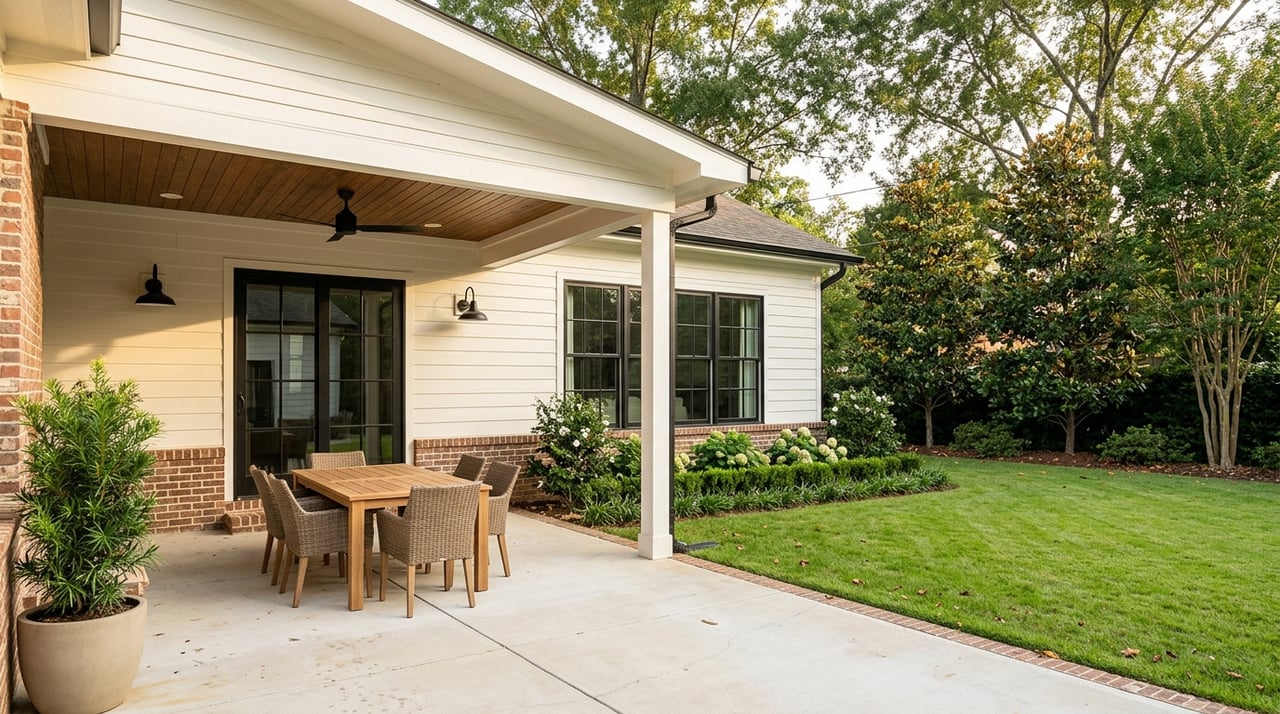
Thinking about moving up in Blythewood? You are probably not just looking for a bigger house. You may be trying to gain a better daily routine, more usable outdoor space, and a neighborhood setup that fits your next stage of life. This guide walks you through the practical details that matter most in Blythewood so you can make a smart move with fewer surprises. Let’s dive in.
Why move-up buying feels different in Blythewood
In Blythewood, a move-up purchase is often about how you want to live, not just how many extra square feet you want. The town offers a strong community feel, with amenities like Doko Meadows Park, a weekly Farmers Market, an annual July 4th celebration, an amphitheater on the lake, and a paved trail of more than half a mile.
That matters because many buyers want more room without losing convenience or connection. In practical terms, your next home may need to balance yard size, neighborhood layout, commute access, and nearby community amenities.
Compare more than house size
A larger home can look like an obvious upgrade on paper. But in Blythewood, the better question is whether the property gives you the day-to-day experience you actually want.
That means looking at the lot, the setting, and the amount of upkeep involved. Two homes with similar square footage can feel very different once you factor in privacy, tree cover, setbacks, and yard maintenance.
Lot size varies by neighborhood
Blythewood is not a one-size-fits-all lot market. The town’s zoning includes residential categories such as R-8, R-12, R-20, R-40, RU Rural, RE Rural Estate, and PD Planned Development districts.
Those categories can shape the feel of a neighborhood in a big way. For example, the zoning code sets a minimum lot area of 12,000 square feet in R-12, 20,000 square feet in R-20 when public water and sewer are available, and one acre or more in R-20 when individual water or sewer is used. In PD districts, lot area is based on the approved plan.
Ask what the yard will require
More land can be a great move-up feature, but it can also mean more work. Blythewood’s land-development and landscaping rules emphasize buffers, planting, runoff reduction, and preservation of natural vegetative cover.
That makes it important to think beyond lot size alone. As you tour homes, ask yourself whether you want more privacy and natural space, or a simpler yard that is easier to maintain week after week.
A practical lot checklist
Before you decide a home is the right move-up fit, compare:
- Total lot size
- How usable the backyard actually is
- Tree cover and shade
- Privacy from neighboring homes
- Setbacks and spacing between houses
- Drainage and runoff patterns
- The time and cost needed for upkeep
Focus on your commute route
Blythewood’s location works well for many buyers, but the town’s commute story depends heavily on road access. I-77 is a major commuter and freight route between Columbia and Charlotte, and SCDOT notes congestion during peak periods in the study area.
For move-up buyers, that means one Blythewood address can function very differently from another. The town name may be the same, but your daily routine can change based on which roads and exits you use most often.
Why exit access matters
Current transportation projects are reshaping travel patterns in and around Blythewood. SCDOT has identified project activity tied to the US-21 interchange at I-77 in Richland County, including a new traffic pattern at Exit 24 with a left-turn lane and signals.
SCDOT is also building a new interchange at Exit 26 to serve the future Scout Motors facility, along with a connector road to US-21 and widening of northbound I-77 south of the proposed interchange to Blythewood Road. The Town of Blythewood also points to improvements involving Blythewood Road and Exit 27.
What to test before you buy
When you narrow your home search, look at more than the map pin. Pay attention to how the property connects to I-77, US-21 or Wilson Boulevard, Blythewood Road, and the exit you expect to use most.
If possible, test the drive during the times you would normally travel. A home that looks perfect online may feel less convenient if the route does not match your real schedule.
Plan school timing early
If school assignment matters to your move, do not wait until the last minute to verify it. Richland School District Two serves the Blythewood area and lists schools across elementary, middle, and high school levels for this part of the market.
The district states that most students attend neighborhood schools based on their residential address. That makes address-level verification an early part of the home search, not something to check after you are already deep into the contract process.
Use address-based verification
Richland Two provides a School Zone Locator to show the zoned elementary, middle, and high school for a specific address. This is especially important for move-up buyers comparing homes in different parts of Blythewood.
Even homes that seem close together can have different attendance zones. If that factor is important to your decision, confirm the address during your search and again before major deadlines.
Know the future-residence option
Richland Two also offers a future address enrollment process. Families can request enrollment based on a future residence if the move will happen within 90 school days, and the district requires a signed contract or official builder statement.
That timeline can be very helpful if you are trying to line up your purchase, move, and school year with fewer disruptions. It also shows why planning ahead matters in a move-up purchase.
Coordinate your sale and purchase carefully
One of the biggest move-up challenges is timing. You may be buying a larger home while also selling your current one, which means your plan needs to account for financing, showings, inspections, moving costs, and closing dates.
General consumer guidance from the CFPB says people who want to move often try to sell their current home first before buying another one. The CFPB also notes that buyers can explore loan choices and shop for homes at the same time after getting preapproval.
Budget for the full move
Your next purchase comes with more than a down payment and monthly payment. The CFPB also advises buyers to budget for closing costs, moving costs, new furniture, repairs, and home improvements.
That is especially important in a move-up scenario. A home that stretches your budget too far can create stress later, even if the property itself checks all the boxes.
Build a realistic timeline
A smooth move-up process often depends on good sequencing. You want enough time to prepare your current home for the market, evaluate new options carefully, and line up key dates in a way that reduces pressure.
A practical timeline often includes:
- Getting preapproved early
- Reviewing your current home’s likely market position
- Narrowing your target neighborhoods
- Verifying commute patterns and school zones
- Planning for inspections and repair decisions
- Coordinating closing dates and move logistics
Closing takes coordination
The CFPB explains that the loan closing and home-purchase closing typically happen at the same time. The process may involve your real estate agent, title insurance company, escrow company, and sometimes attorneys.
For move-up buyers, organization matters just as much as negotiation. Keeping each step aligned can help you avoid feeling stuck between two homes.
What a smart move-up decision looks like
In Blythewood, a smart move-up purchase usually comes down to fit. The best choice is not always the biggest home or the newest listing. It is the property that supports your routine, your budget, and the way you want to live day to day.
That may mean a larger yard, better access to I-77, a neighborhood with the right layout, or a home that makes school timing easier to manage. When you look at the whole picture, you are more likely to make a confident decision that still feels right after move-in day.
If you are weighing your next move in Blythewood, Smith Real Estate Group can help you compare neighborhoods, coordinate the sale and purchase process, and build a plan that fits your timeline.
FAQs
What should move-up buyers compare besides square footage in Blythewood?
- Compare lot size, usable yard space, privacy, tree cover, setbacks, drainage, and the amount of maintenance the property may require.
Why does commute access matter when buying in Blythewood?
- Commute experience can vary based on whether your daily route depends more on Exit 24, Exit 26, Exit 27, Blythewood Road, or US-21, especially with current SCDOT road and interchange work.
How can buyers verify school zoning for a Blythewood home?
- Richland School District Two uses attendance zones tied to residential address, and its School Zone Locator can be used to verify the assigned schools for a specific home.
Can families enroll using a future Blythewood address?
- Yes. Richland Two says families may request enrollment based on a future residence if the move will occur within 90 school days and the required documentation is provided.
What is the biggest timing challenge in a Blythewood move-up purchase?
- The biggest challenge is often coordinating the sale of your current home with financing, home shopping, inspections, closing dates, and the move into your next property.